Why Illustrators and Graphic Designers Are Still Beating Boring AI Creations
Human illustrators and graphic designers are not being replaced. They’re thriving.
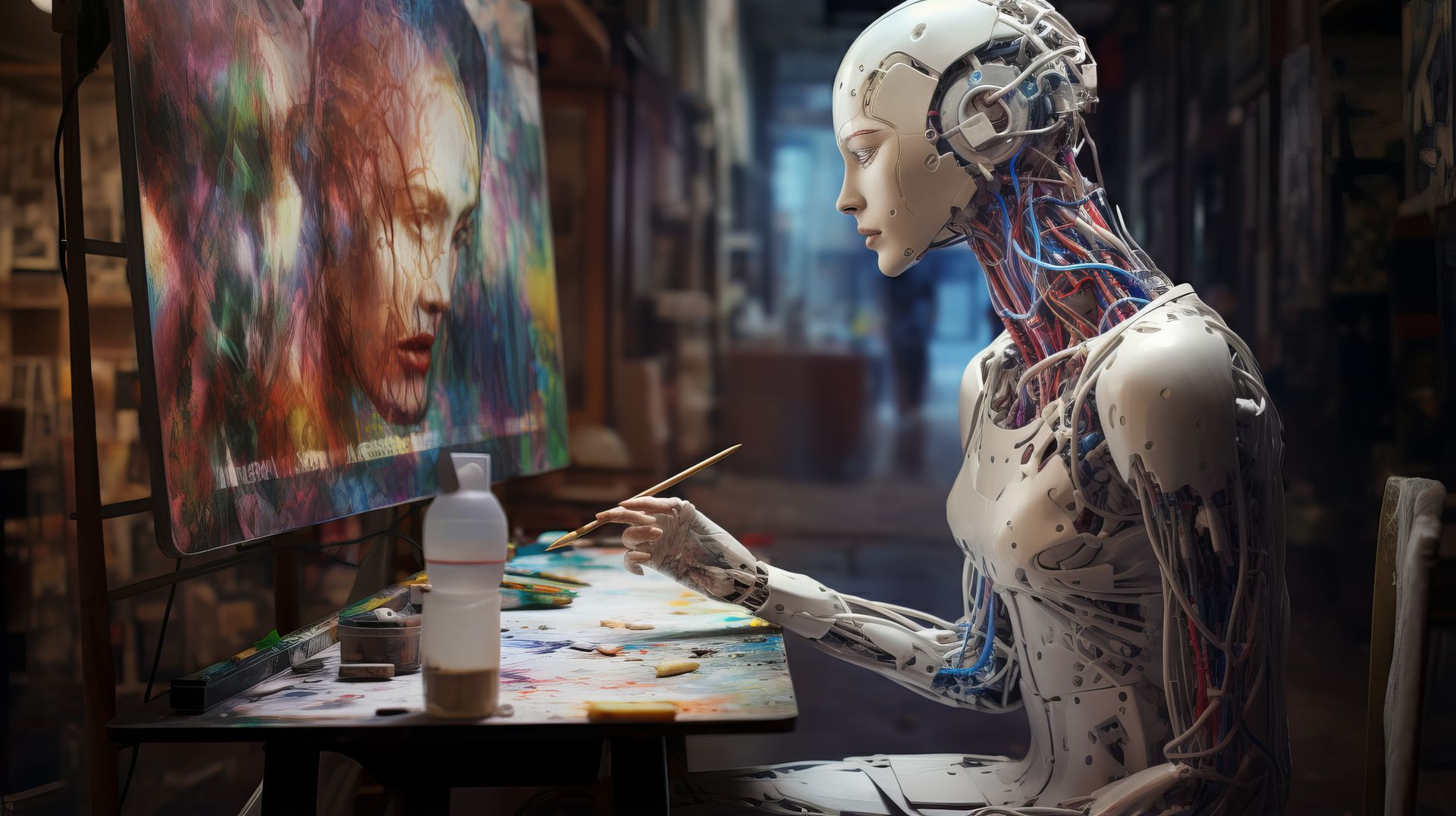
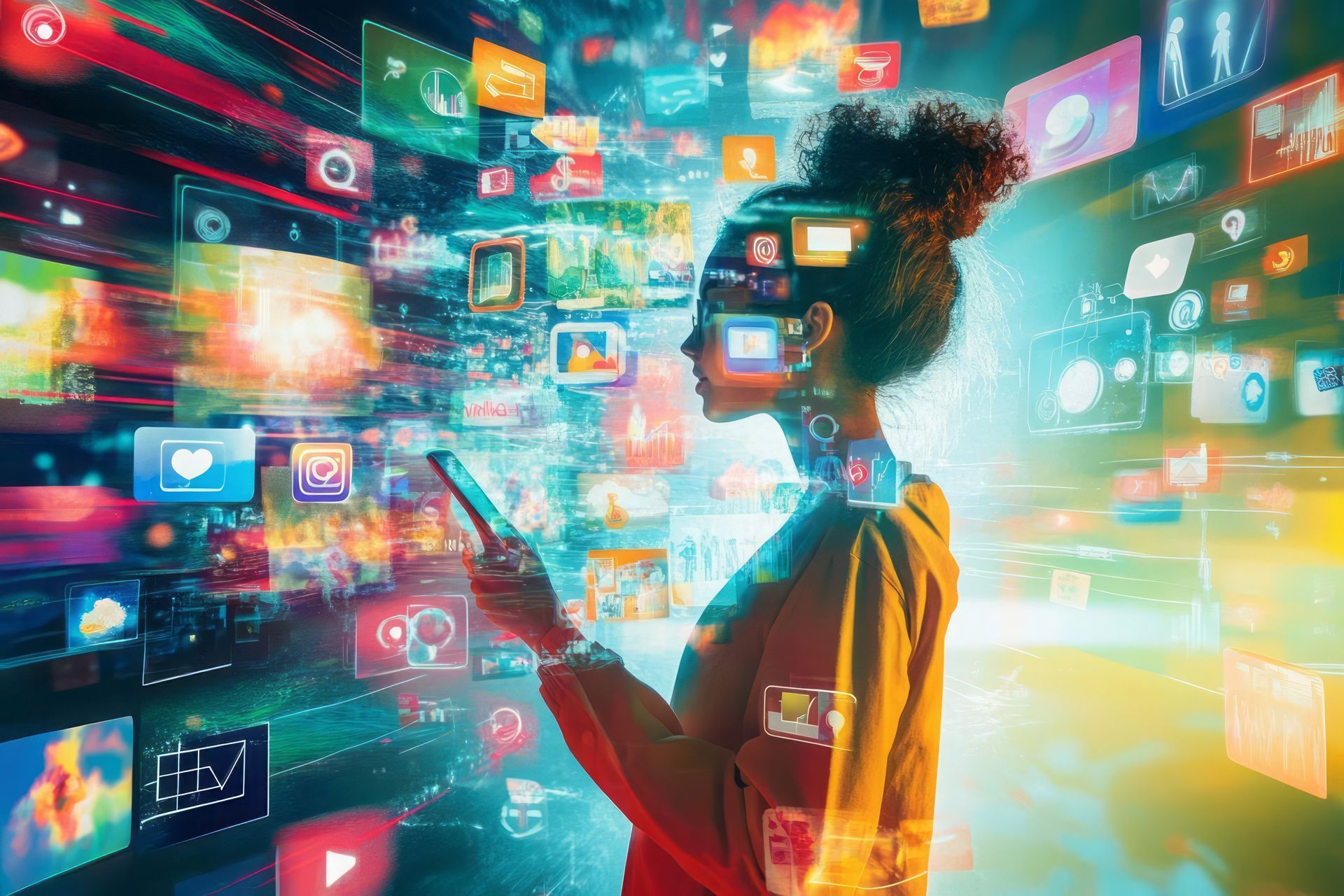
In the last few years, artificial intelligence has exploded into the creative world. From instant illustrations to logo generators and design templates, it feels as though AI is everywhere — and gaining ground quickly. But here’s the truth you won’t hear from the hype machine: human illustrators and graphic designers are not being replaced. They’re thriving.
Because the more AI art floods the internet, the more people are learning to spot the difference between something made by hand and something churned out by a data-trained algorithm. And crucially? They’re choosing the real thing.
AI art is fast — but it’s also deeply predictable
AI tools operate on one fundamental principle: remix what already exists.
They’re trained on vast libraries of artwork, photographs, scanned illustrations, and design assets — many of which they have no legal right to use — and then statistically “guess” what a new image should look like based on your prompt.
That means the result might look slick at first glance, but most people can now spot the tells:
- The same washed-out rendering style
- Repeated facial structures
- Over-polished textures
- Lighting that doesn’t quite make sense
- Hands and gestures that still feel “off”
- A general sense of flatness
Creatives call it AI flavour: that canned, half-cooked aesthetic you can identify instantly. And as more AI art is pumped into its own training models, this problem only gets worse.
AI is regurgitating its own regurgitation.
It’s the visual equivalent of photocopying a photocopy — each generation gets a little more distorted, a little more repetitive, a little less human.
Human-made illustration is having a renaissance
Rather than replacing illustrators, AI has created a backlash that benefits them.
Brands, clients, publishers, agencies and independent creators are all demanding something AI cannot produce:
a distinctive point of view.
Human illustrators bring:
- Imperfections that feel alive
- Hand-led style and personality
- Cultural understanding
- Originality
- Storytelling
- Emotion
- A sense of humour
- An ability to push boundaries and invent
These are things AI can imitate but never truly originate. You don’t hire an illustrator simply to produce an image.
You hire them because their imagination has value.
Look at children’s publishers. Look at musicians wanting cover art. Look at brands wanting something that feels “crafted” rather than templated. Look at social campaigns aiming for authenticity.
In all these spaces, illustrators are busier than ever.
Graphic designers are proving the value of thinking, not just making
AI can generate a logo.
But it can’t understand a brand.
Graphic design is a discipline built on strategy: hierarchy, colour theory, typographic cohesion, user experience, cultural awareness, market research and conceptual thinking.
AI can mash styles together.
A designer actually builds meaning.
This is why so many AI-generated logos fall flat — they look pretty but have no rationale, no story, no scalability, and no true identity behind them. When they’re used at brand level, they almost always need redesigning by a human later.
Meanwhile, designers are leaning into what makes them unique:
- The ability to solve communication problems
- The ability to think contextually
- The ability to collaborate with other humans
- The ability to design for emotion and connection
- AI can’t replicate these. It can only produce an output.
The creative marketplace is becoming “super creative” — and AI can’t keep up
We’re now in what many call the super creative marketplace — a landscape where audiences expect more, want fresh ideas, and value originality over quantity.
Ironically, AI-generated content is accelerating this shift. The more generic AI visuals people see, the more they crave work with soul.
In 2025, originality is currency.
And AI has no bank account.
AI is useful — but not as a replacement
This doesn’t mean AI has no place in the industry. It’s an incredible support tool:
- It speeds up concept exploration
- It helps visualise early ideas
- It removes repetitive production tasks
- It allows designers to iterate faster
- It frees up time for more complex creative thinking
But its role is assistive, not authoritative.
AI works best when steered by someone who knows what they’re doing — not when left to manufacture “design” on its own.
AI is now training on AI… which guarantees one thing: things will get worse
This is the most important piece of the puzzle.
Because so much content online is now AI-generated — and because many companies continue to scrape the web for training data — the next generations of AI tools are increasingly learning from their own synthetic output.
This leads to:
- Style collapse
- Repetition
- Artifacts
- Lower-quality imagery
- More obvious “AI look”
- Less innovation
- Less variation
- AI can only remix the past.
- Humans can imagine the future.
And that’s why illustrators and designers will always have the upper hand.
The future belongs to human creativity — supported, not replaced, by AI
The creative marketplace has never been more vibrant. There’s more demand for unique artwork, emotional storytelling and authentic design than ever before.
AI isn’t killing creativity.
It’s highlighting how valuable true creativity really is.
Illustrators and graphic designers aren’t just surviving — they’re standing out. And as AI circles itself in an endless loop of recycled, derivative, déjà-vu imagery, the work produced by real people only becomes more precious.
The world will always need imagination.
Not automation.